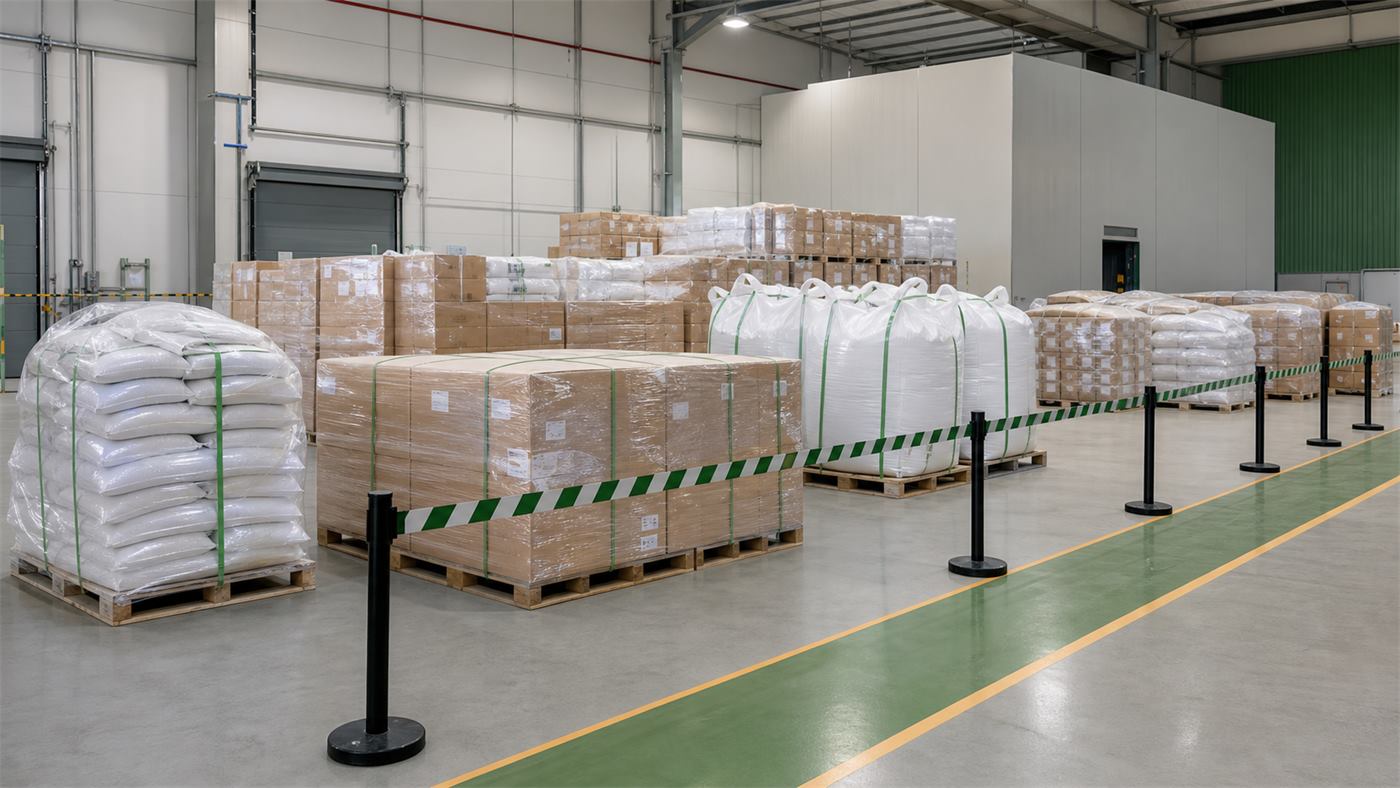
Pallets, bags and big bags
Treatment of product batches, raw materials, packaging and containers where pests may be inside stacked or packed goods.
Fumigation is used for product batches, grain, pallets, bags, big bags, containers, railcars, packaging and warehouse areas where pests may be inside packaging, raw materials or enclosed volumes.
Fumigation is needed where ordinary surface treatment is not enough: when there is a risk of infestation in products, warehouse batches, wooden packaging, pallets, containers, transport units and enclosed volumes.
Treatment of product batches, raw materials, packaging and containers where pests may be inside stacked or packed goods.
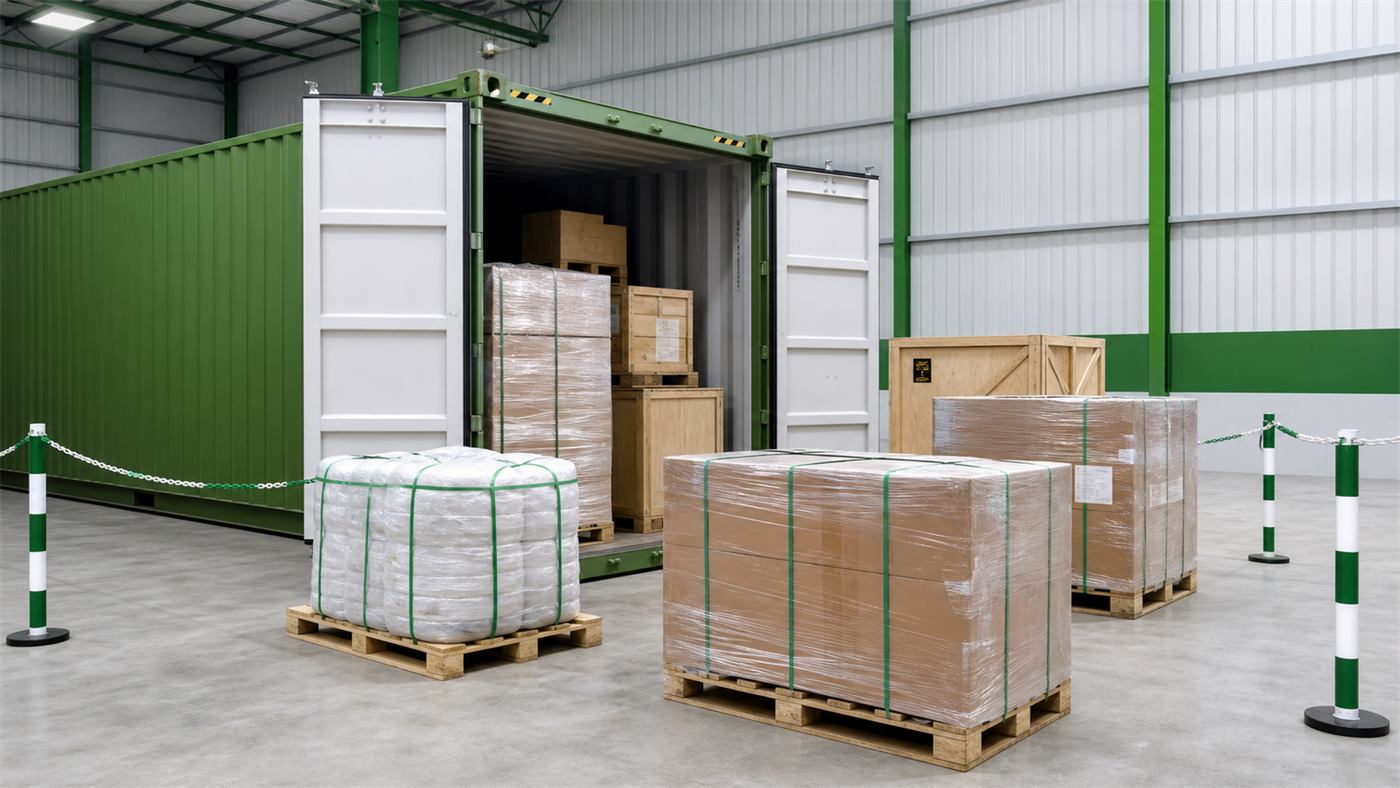
Suitable for enclosed volumes, container shipments, warehouse storage and preparing cargo for further movement.
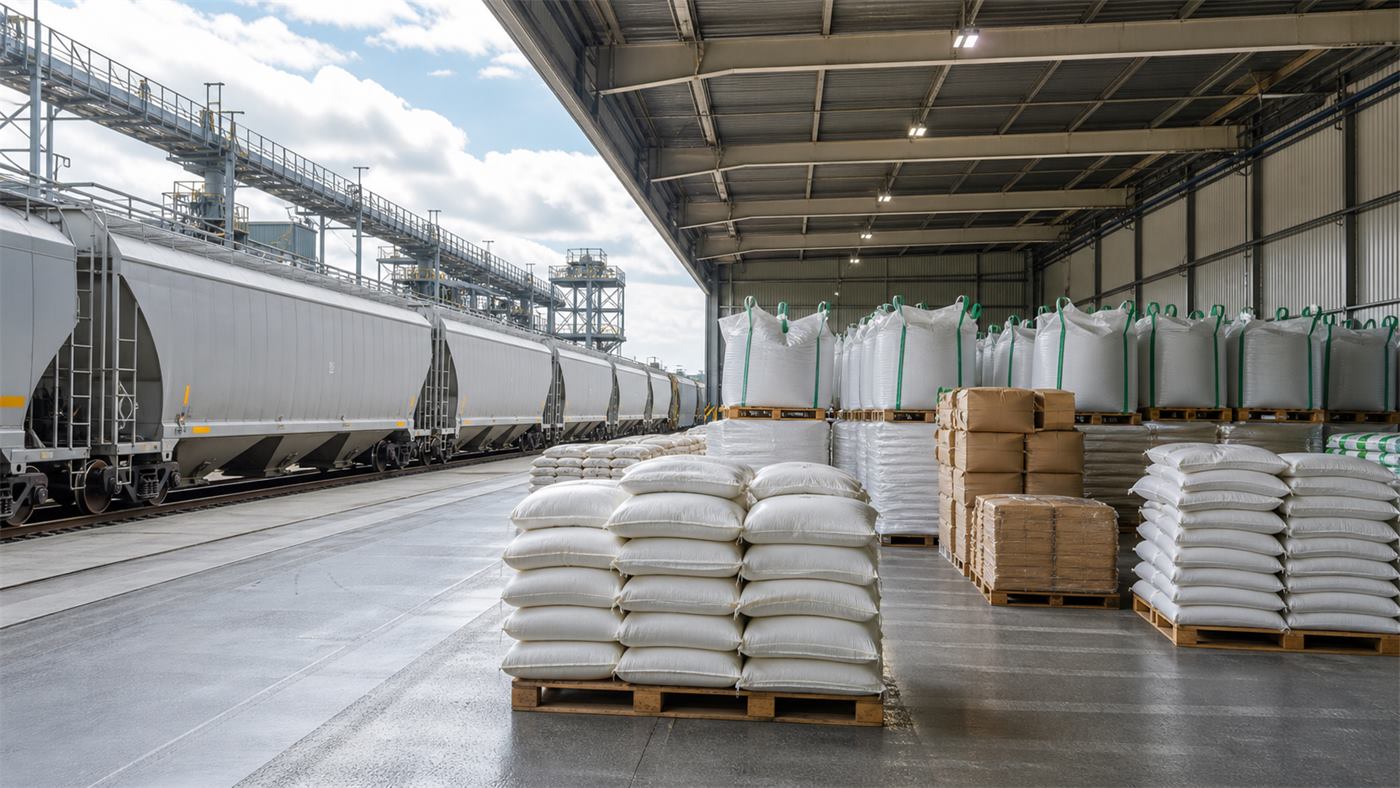
Fumigation is used for raw materials and product batches where it is important to treat the volume without unpacking each unit.
Before work starts, the facility, product type, volume, tightness and safety requirements are assessed. Then the preparation procedure, treatment zone, exposure time and access conditions after ventilation are defined.
Cost and procedure are calculated individually because fumigation strongly depends on the batch, storage conditions, volume and timing. After the work, a service act and recommendations for internal control can be prepared.